
Tanzania Weather And Climate
Tanzania - Weather and Climate
Understanding the weather in Tanzania is crucial when planning safari adventures, as the country’s tropical climate varies significantly across its regions, primarily due to differences in altitude. Coastal areas, such as Dar es Salaam and Zanzibar, tend to be warmer and more humid, offering a distinct contrast to the interior regions, which experience milder daytime temperatures and cooler nights, especially in highland areas like Arusha and the Ngorongoro Crater.
Tanzania’s tourism is influenced by two main seasons: the dry season and the wet season. Each season offers unique experiences and advantages for safari-goers, making the timing of your visit an important consideration. Here’s a detailed look at what to expect during each season:
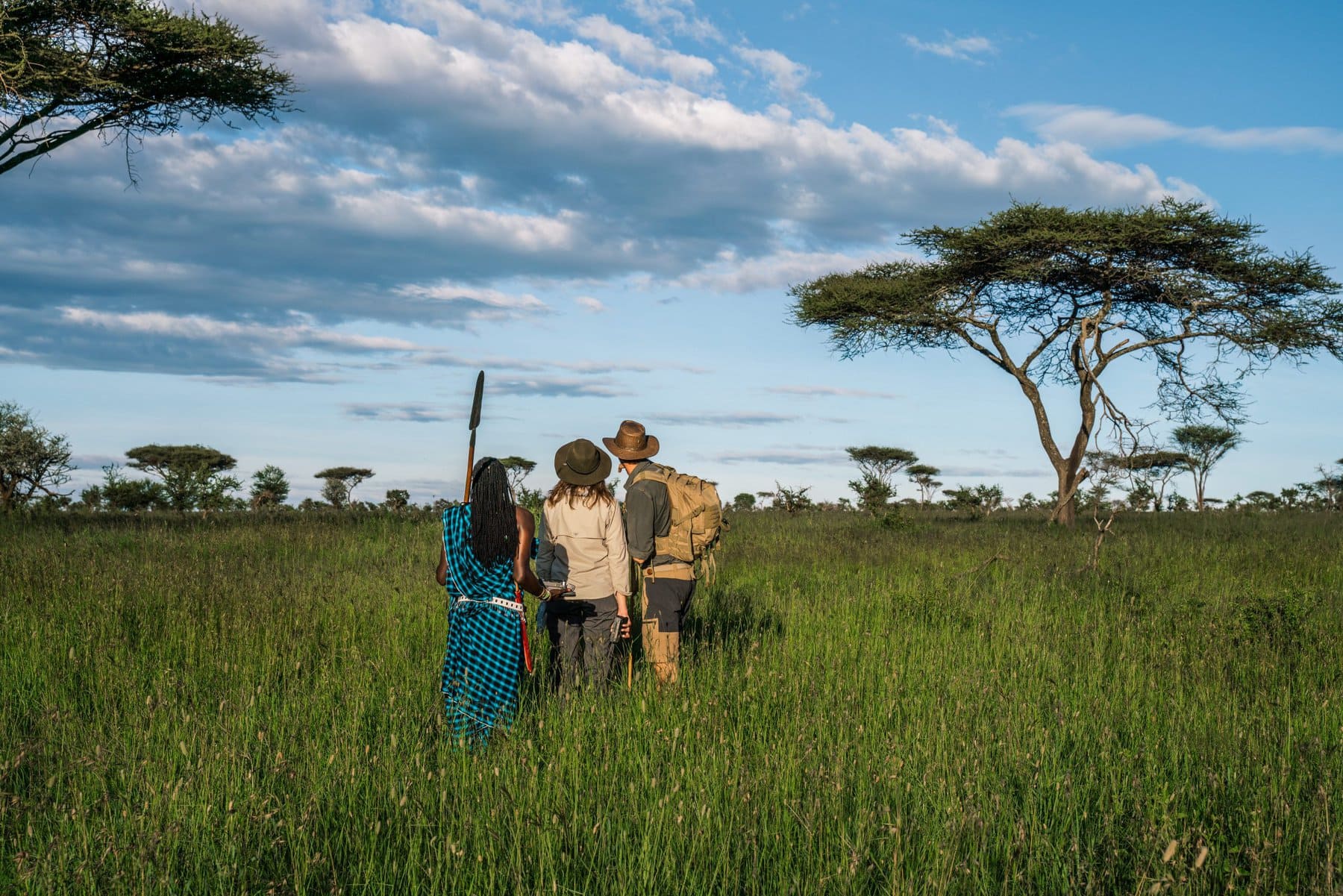
Tanzania Weather in Seasons!
Dry Season (June to October)
- Weather: The dry season is characterized by clear skies, sunny days, and cooler temperatures, particularly in the mornings and evenings. Coastal regions are warm, but the humidity is lower compared to the wet season.
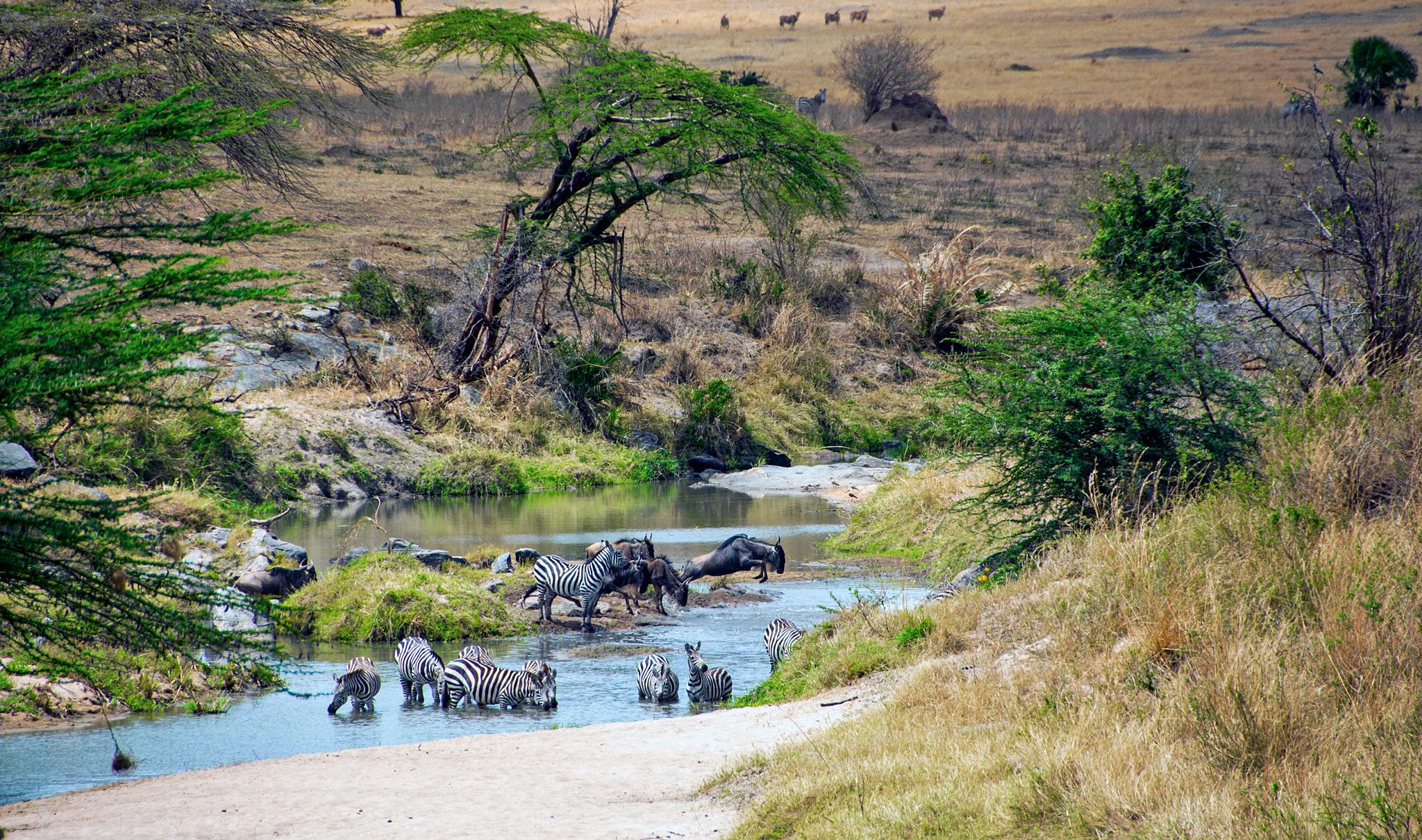
- Wildlife Viewing: This is the best time for wildlife viewing, as animals gather around water sources and the vegetation is less dense, making it easier to spot them. The Serengeti hosts the famous Great Migration, where large herds of wildebeest and zebras traverse the plains.
- Advantages: Fewer mosquitoes and a lower risk of malaria, making it a healthier and more comfortable time for travel. Roads and trails are also in better condition, enhancing accessibility to remote areas.
Wet Season (November to May)
- Weather: The wet season is divided into two periods: the short rains (November to December) and the long rains (March to May). During the short rains, showers are brief and typically occur in the late afternoon or evening. The long rains bring heavier and more prolonged rainfall. Despite the rains, there are still plenty of sunny intervals.
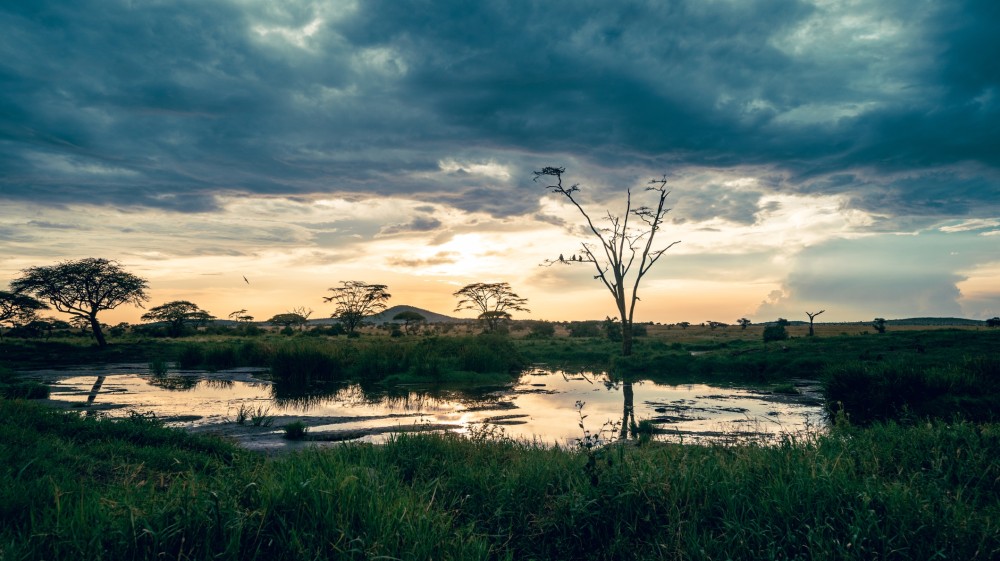
- Wildlife Viewing: The landscape transforms into a lush, green paradise, offering breathtaking scenery and a different safari experience. The wet season is also the birthing period for many animals, providing opportunities to see newborns and predator-prey interactions. Birdwatching is exceptional, with migratory species arriving in large numbers.
- Advantages: Fewer tourists mean less crowded parks and more personalized experiences. Accommodation rates may be lower, offering better value for budget-conscious travelers.
When planning your Tanzania safari, consider what you hope to experience, from the migration patterns and wildlife behavior to the overall climate and your personal comfort. Both seasons offer unique and memorable experiences, ensuring a remarkable adventure no matter when you choose to visit.
Testimonials
What our Travelers are saying
Posted onVerified Unforgettable Safari Experience with Afriswahili Adventure! Unforgettable Safari Experience with Afriswahili Adventure!I recently had the absolute pleasure of going on a safari with Afriswahili Adventure, and I can confidently say it was the trip of a lifetime! From the very beginning, the team was professional, attentive, and passionate about creating an authentic and unforgettable African experience.Our guide was incredibly knowledgeable—not just about the Big Five, but also about the culture, history, and landscapes of every region we visited. He had an amazing eye for spotting wildlife and made sure we didn’t miss a moment, whether it was a pride of lions lounging in the grass or a herd of elephants crossing the savannah at sunrise.The accommodations were thoughtfully selected—comfortable, clean, and perfectly situated in stunning natural surroundings. Every detail was handled smoothly, from transportation to meals, and we always felt safe, informed, and well taken care of.What really stood out was how Afriswahili Adventure goes beyond the typical tourist experience. They’re deeply rooted in the local community, and it shows in the genuine, respectful way they engage with both the land and the people. You don’t just see Africa—you feel it.If you’re looking for a safari that combines adventure, authenticity, and heart, look no further. Afriswahili Adventure delivers an experience that will stay with you forever.Posted onVerified Amazing trip of my life My heart still beats to the rhythm of the African bush. The vast landscapes of Tanzania unfolded like a dream, each sunrise painting a new masterpiece. Witnessing the gentle giants roam free, the playful energy of the wildlife, and the quiet majesty of nature's raw beauty filled me with a profound sense of peace. It was more than just a trip; it was a deeply moving connection to something ancient and wild, a warmth that lingers long after the dust has settled. An unforgettable journey for the soul. I am very glad to choose Afriswahili Adventures for this amaizing experience.Posted onVerified Amazing Service Kudos to AfriSwahili Adventures. I've had a great pick up and tour around Kilimanjaro. Ii highly recommend them for your Safari Toura and Mount Climbing guidance.Posted onVerified To let others know that they will never regrets to theire choice Bayona he is available best smilling guide,honest and guiding with integrity,I had a wonderful experience with him during our trek to Mount Kilimanjaro he made us to fulfill our dream ,I recommended Bayona for anyone who looking for the best guide.,He is always take the time to answer any questions he is very knowledgeable.Posted onVerified Afriswahili hakuna matata Everybody dreams of having an adventure. An adventure to remember their entire life. Today I am here to share with you one such adventure of mine. A Beautiful Giant 5895amsl free standing mountain over 6 days lemosho route.“It is not the mountain we conquer but ourselves.” Godliving Bayona, the best kilimanjaro mountain guide famously said. This is what mountain teaches us. We might seem like a puny ant in front of it but we can still dream to reach the top, however, far it might seem. It is this self-belief of reaching the top despite the insurmountable odds that makes mountains so special for me.An adventure is never complete without a partner in crime. I didn’t had 1 but 3. Three complete strangers from different parts of India whom I can now count as my dear friends. We not only hiked together but we shared our pains and happiness alike. This was one of the highest moments of this trip that I made 4 great friends for life. Happy hike Afriswahili hakuna matata😊Posted onVerified TANZANIAN EXPERIENCE I am simply amazed by the beautiful works of nature. The experience I got was wonderful, thanks to my tour guide, Mr Godliving, he is really well experienced and a great company, I highly recommend Afriswahili AdventuresPosted onVerified Wonderful trekking experience! Godlving Bayona was an excellent guide! He was well informed and good company. The food was great, everyone was friendly and helpful!Posted onVerified Nature at it's best It's was indeed a once in a lifetime adventure, an astonishing and must-see experience. Highly recommended for a strong family bonding. Very friendly tour guiders extending their love for nature through their expertise. Don't hesitate to give yourself this experience.Cheers🥂